japanese folklore
-
Introduction: The Girl in the Third Stall There are few ghosts in the world as widely known, casually invoked, and quietly misunderstood as Hanako-san. In Japan, her name is whispered not in temples or abandoned tunnels, but in elementary schools. Not in the dark woods or on lonely highways, but in fluorescent-lit hallways that smell…
-
Introduction: The Loneliest Urban Legend in Japan There are urban legends that feel theatrical. There are urban legends that feel cruel. And then there are a rare few that feel lonely; stories that don’t simply frighten you, but hollow something out inside your chest and leave it echoing for days afterward. Kisaragi Station (きさらぎ駅) belongs…
-

Introduction – the Shape of a Modern Ghost Story There are some ghost stories that feel ancient, as though they have always existed. And then there are others that feel new; not in the sense that they were recently invented, but in the sense that they could only have come into being in the modern…
-
~ Introduction & Overview ~ What Is Buddhism? Buddhism is both a philosophy of liberation and a world religion that began in northern India in the 5th–4th century BCE with the teachings of Siddhartha Gautama, known as the Buddha (“Awakened One”). At its heart are a few key ideas: Over centuries Buddhism spread across Asia:…
-
A Look at Koji Suzuki’s 1989 Novel Ring and Its Divergence from the Films Today, I want to discuss Koji Suzuki’s 1989 novel Ring, the chilling source material for the iconic media franchise that spawned several films, television series, and even a remake in Hollywood. While the various adaptations have veered into supernatural horror, the…
-

Shintō (神道), often translated as “the Way of the Gods,” is Japan’s native spiritual tradition; a set of beliefs and practices that long predates the arrival of Buddhism, Confucianism, or Christianity on its shores. Rooted in the worship of kami, or divine spirits, Shintō emerged organically from the rhythms of daily life, the cycles of…
-

Ju-On: The Grudge (2002) marks the third installment in the Ju-On series, but it’s the first to receive a wide theatrical release, both in Japan and internationally. It follows two earlier made-for-TV films, Ju-On: The Curse and Ju-On: The Curse 2 (both released in 2000), and continues their terrifying legacy. Written and directed by Takashi…
-
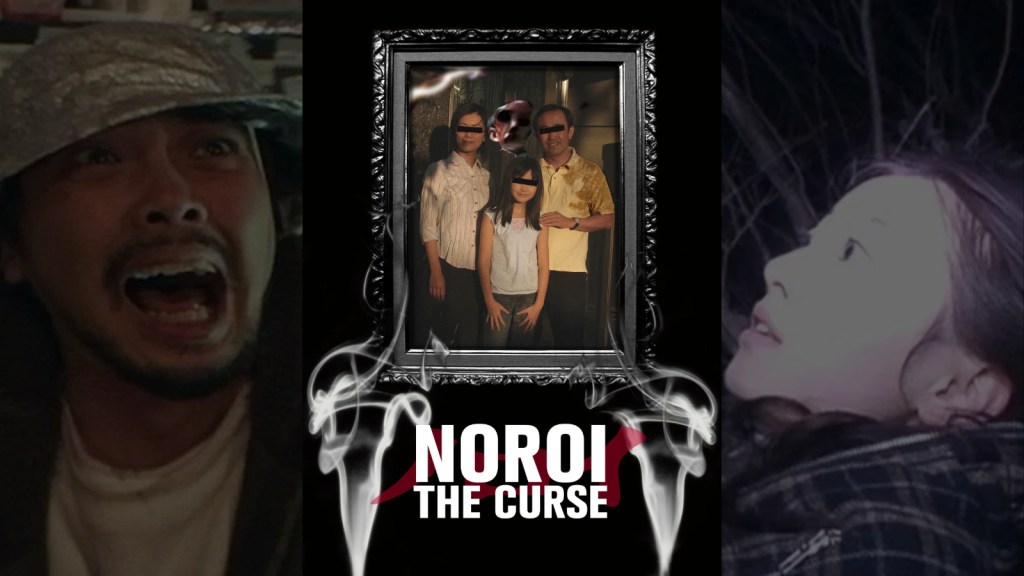
Noroi: The Curse is a 2005 Japanese found-footage, folk-horror film that quietly became one of the most influential (and unnerving) entries in J-horror. While it shares the urban legends, spirits, and media technology tropes of Ringu or Ju-On, Noroi leans even harder into documentary realism and rural folklore. The result is a slow-burn, mosaic nightmare;…
-

Masato Harada’s Inugami stands apart from its flashier J-horror contemporaries like Ringu or Ju-On: The Grudge. While those films deliver quick, iconic scares and urban legends, Inugami unfolds as a slow-burning, rural folk horror, rooted deeply in Japanese tradition and the lives of a marginalized community. The result is a fascinating exploration of how horror…
 J-Horror Blog