-
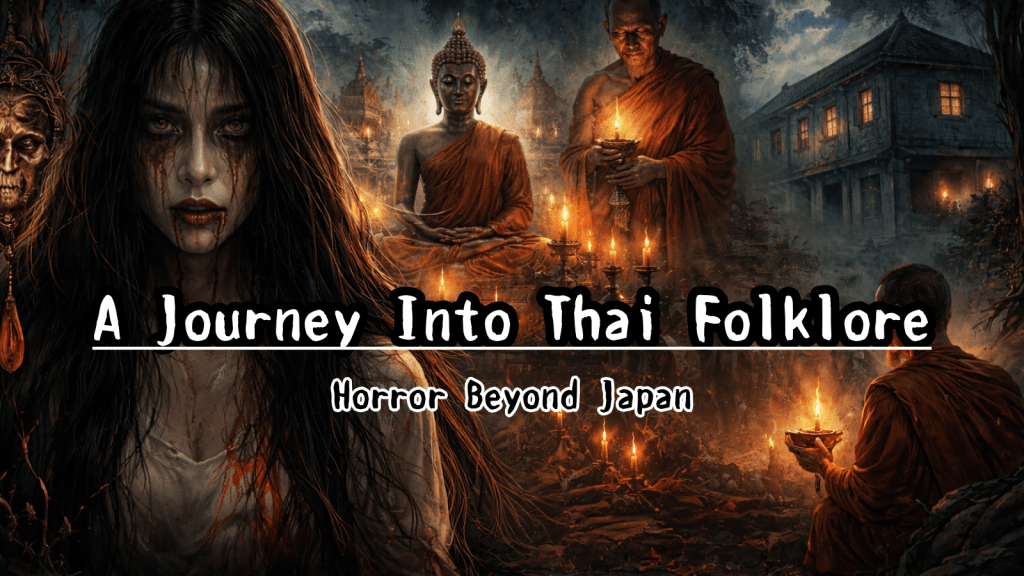
~ PART I ~ Karma, Impermanence, and the Shape of Suffering Thai folk horror does not begin with ghosts, curses, or transgression. It begins with order; not the reassuring order of safety or justice, but a deeper and far less comforting structure in which nothing is wasted, nothing disappears, and nothing escapes consequence. In this…
-
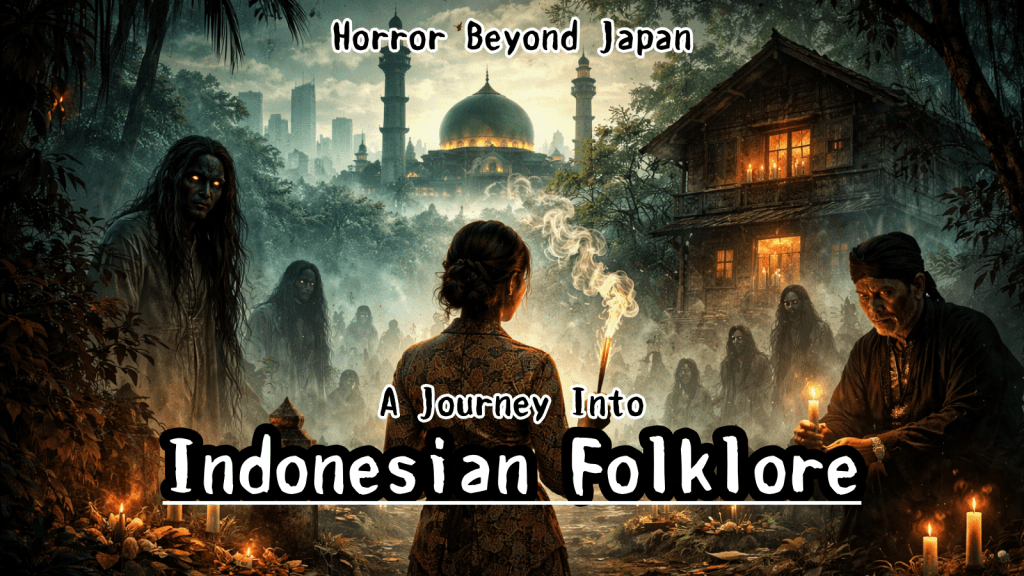
~ PART I ~ THE INDONESIAN SPIRITUAL UNIVERSE To understand Indonesian horror, one must first abandon a deeply Western assumption: that the supernatural represents a break in reality. In Indonesian cosmology, spirits are not intrusions, they are not aberrations and they are not even necessarily hostile. They are simply there, occupying the same world as…
-
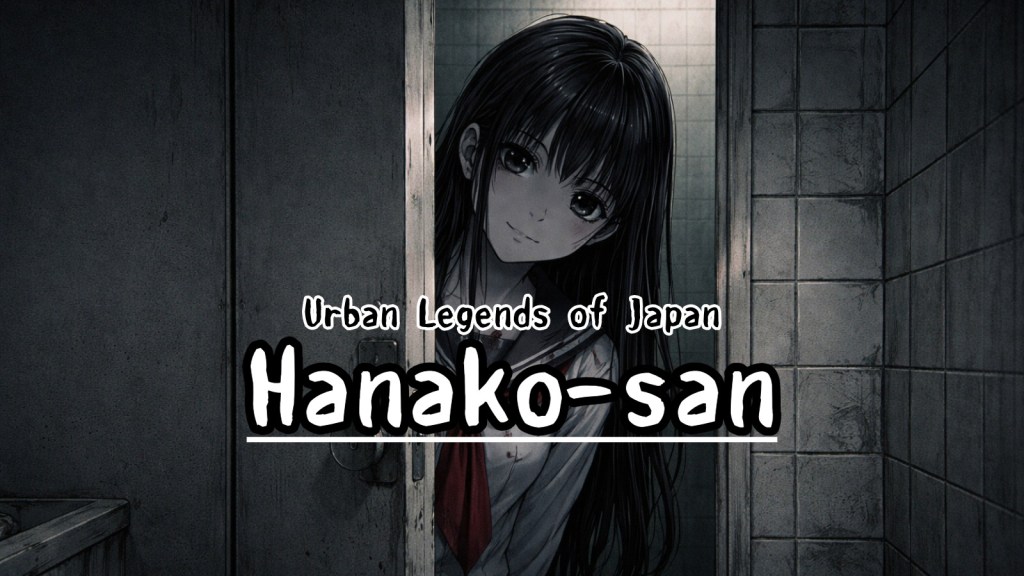
Introduction: The Girl in the Third Stall There are few ghosts in the world as widely known, casually invoked, and quietly misunderstood as Hanako-san. In Japan, her name is whispered not in temples or abandoned tunnels, but in elementary schools. Not in the dark woods or on lonely highways, but in fluorescent-lit hallways that smell…
-
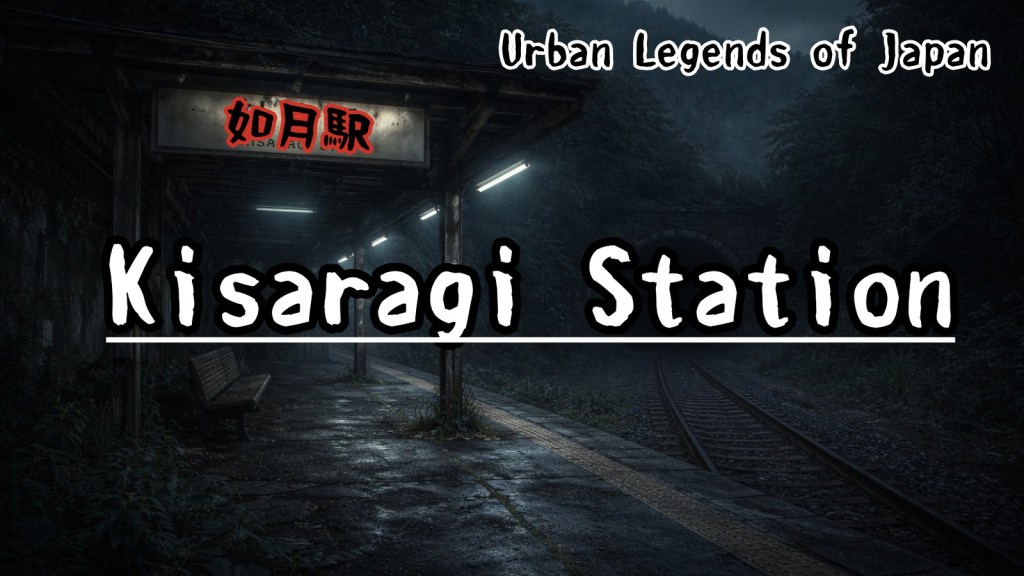
Introduction: The Loneliest Urban Legend in Japan There are urban legends that feel theatrical. There are urban legends that feel cruel. And then there are a rare few that feel lonely; stories that don’t simply frighten you, but hollow something out inside your chest and leave it echoing for days afterward. Kisaragi Station (きさらぎ駅) belongs…
-
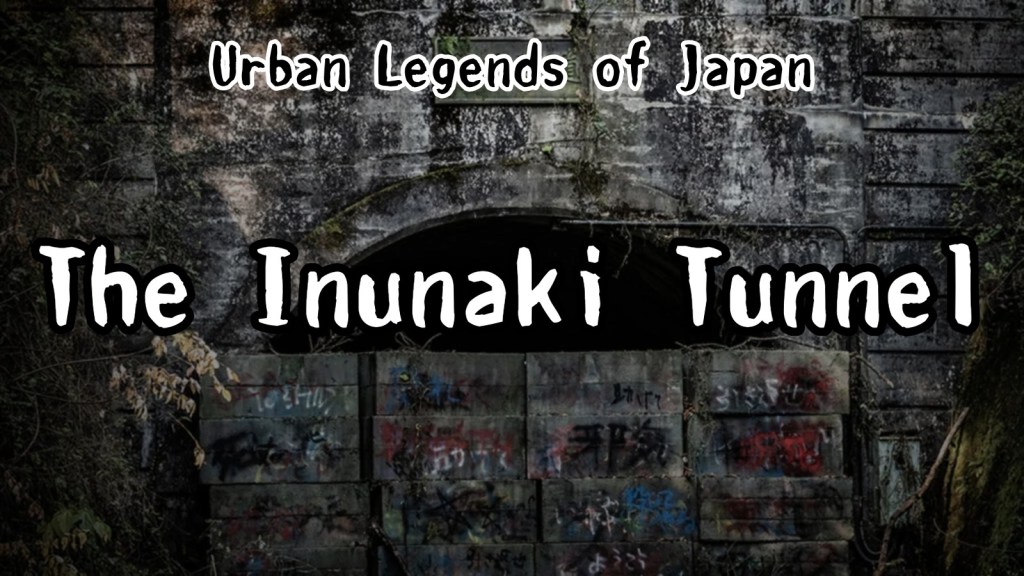
Introduction – the Shape of a Modern Ghost Story There are some ghost stories that feel ancient, as though they have always existed. And then there are others that feel new; not in the sense that they were recently invented, but in the sense that they could only have come into being in the modern…
-
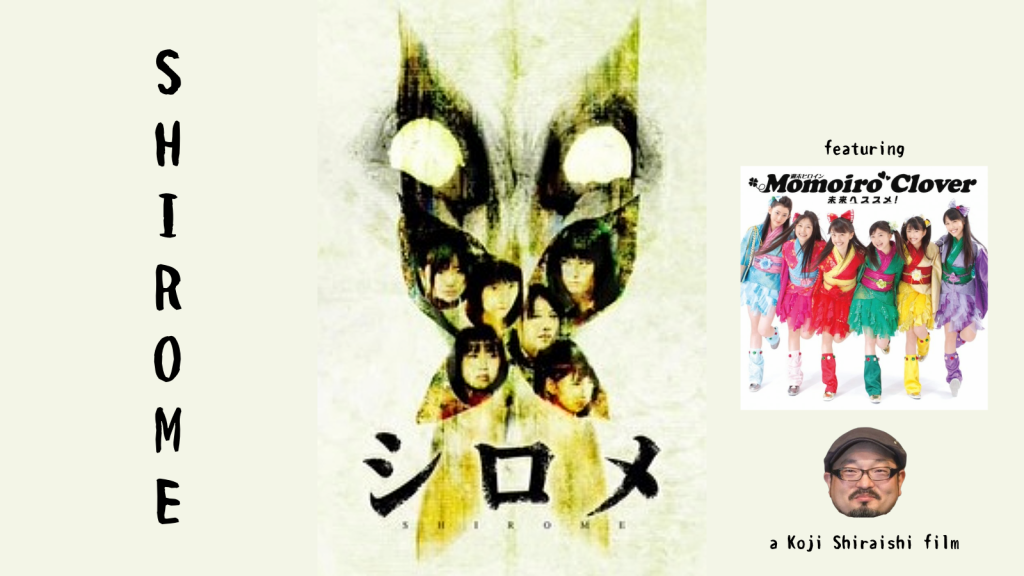
Introduction At first glance, Koji Shiraishi’s Shirome (2010) looks like a joke. It opens not with dread or blood or ghostly imagery, but with rehearsal footage of a real-life J-pop idol group (Momoiro Clover Z) practicing choreography, laughing with one another, and nervously talking about their dreams of one day performing on Kōhaku Uta Gassen,…
-
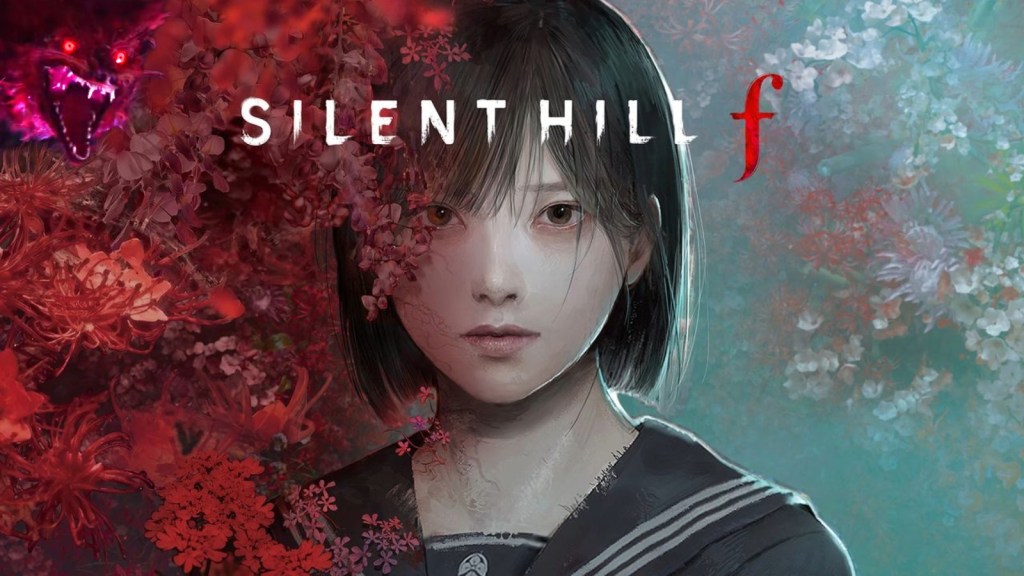
Trigger Warning: graphic violence & gore; self-harm & suicide themes; drug use & addiction; mental health crisis; domestic & emotional abuse; death of minors; religious/occult imagery; sexual violence; sexism & patriarchal control; spoilers. When Silent Hill ƒ was first announced, many fans expected the familiar fog-shrouded streets of the series’ namesake town. Instead, we were…
-
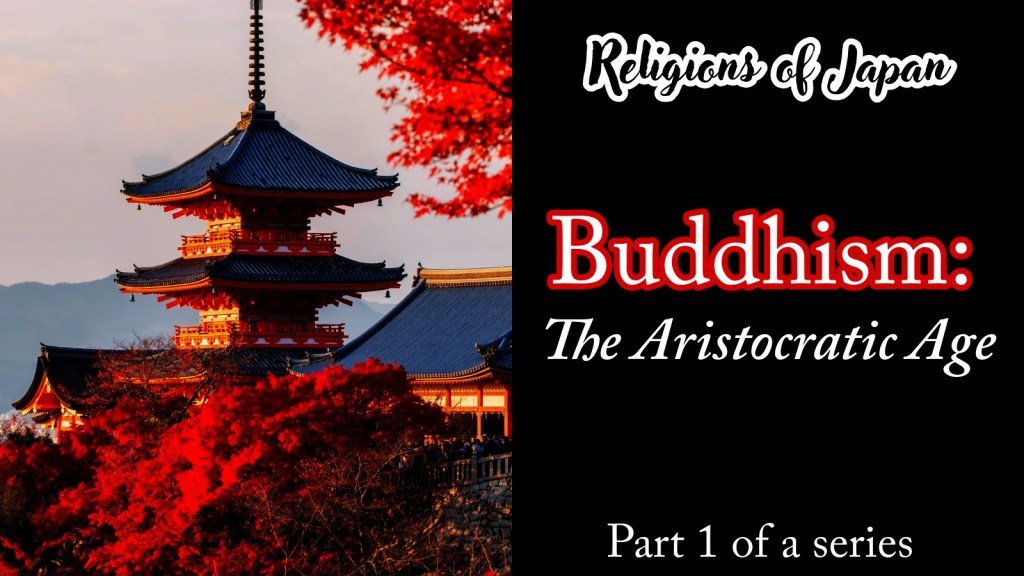
~ Introduction & Overview ~ What Is Buddhism? Buddhism is both a philosophy of liberation and a world religion that began in northern India in the 5th–4th century BCE with the teachings of Siddhartha Gautama, known as the Buddha (“Awakened One”). At its heart are a few key ideas: Over centuries Buddhism spread across Asia:…
-
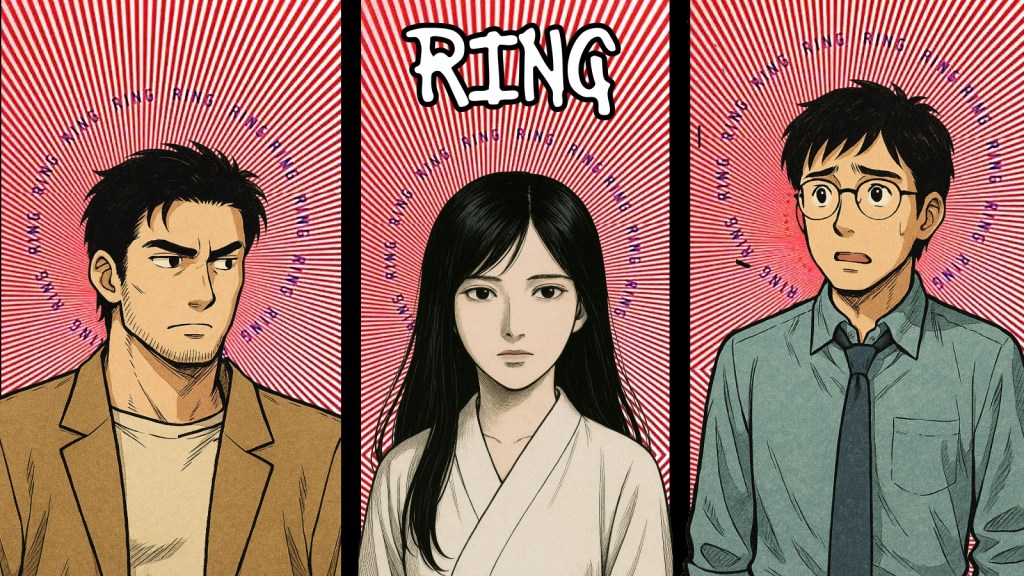
A Look at Koji Suzuki’s 1989 Novel Ring and Its Divergence from the Films Today, I want to discuss Koji Suzuki’s 1989 novel Ring, the chilling source material for the iconic media franchise that spawned several films, television series, and even a remake in Hollywood. While the various adaptations have veered into supernatural horror, the…
-
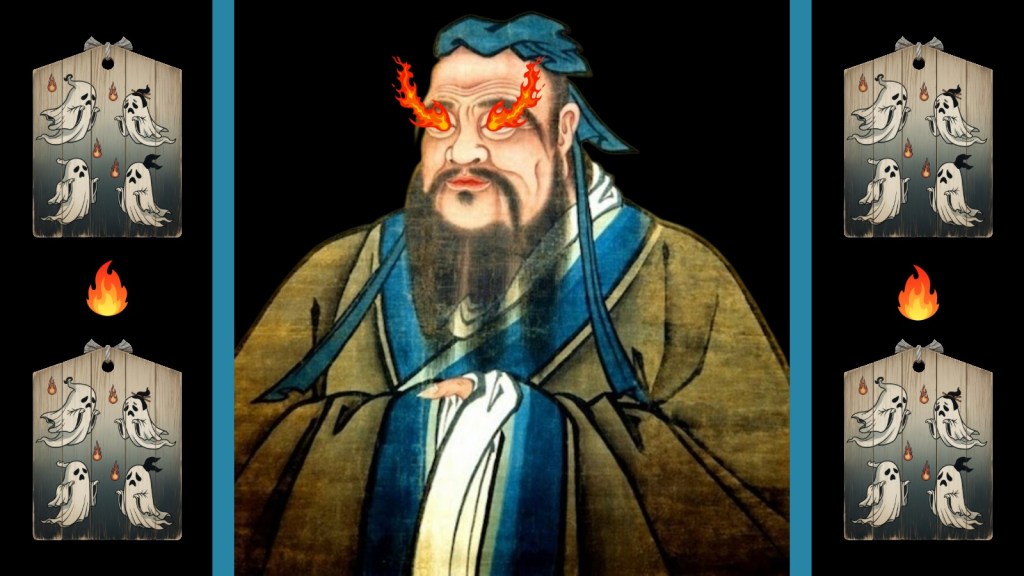
Introduction Confucianism, as a philosophical and socio-political system, has deeply influenced the development of East Asian societies for over two millennia. While it has been praised for promoting social harmony and moral ethics, its long-standing impact has also contributed to the entrenchment of patriarchal, hierarchical, and authoritarian systems. As a feminist and leftist, I argue…
-
Subscribe
Subscribed
Already have a WordPress.com account? Log in now.
 J-Horror Blog