japan
-
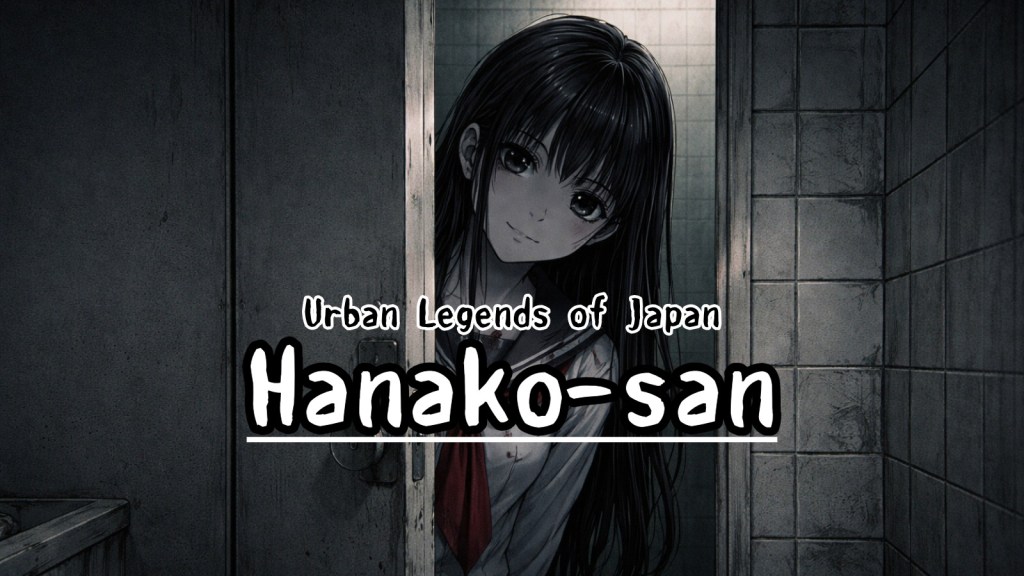
Introduction: The Girl in the Third Stall There are few ghosts in the world as widely known, casually invoked, and quietly misunderstood as Hanako-san. In Japan, her name is whispered not in temples or abandoned tunnels, but in elementary schools. Not in the dark woods or on lonely highways, but in fluorescent-lit hallways that smell…
-
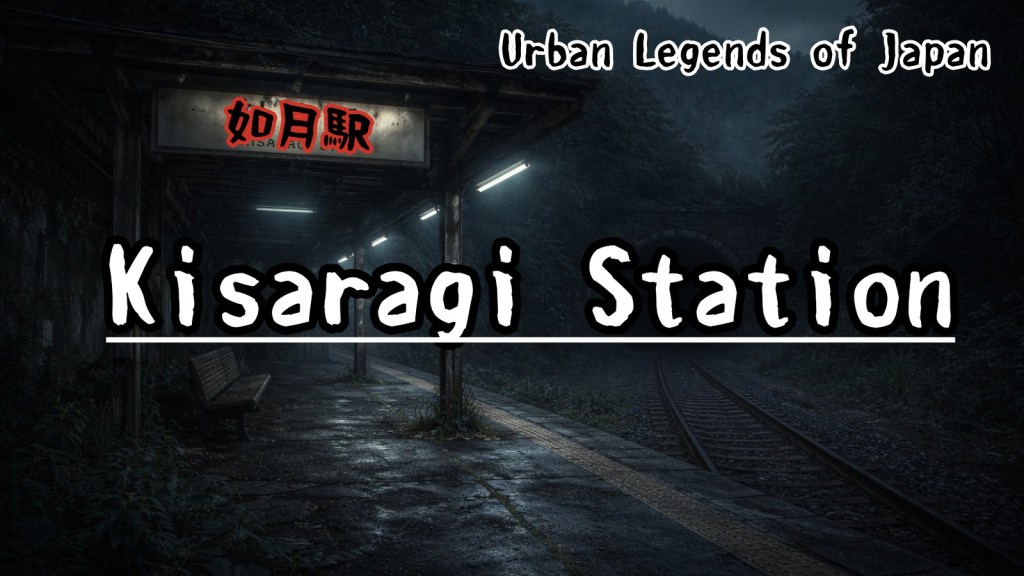
Introduction: The Loneliest Urban Legend in Japan There are urban legends that feel theatrical. There are urban legends that feel cruel. And then there are a rare few that feel lonely; stories that don’t simply frighten you, but hollow something out inside your chest and leave it echoing for days afterward. Kisaragi Station (きさらぎ駅) belongs…
-

Introduction – the Shape of a Modern Ghost Story There are some ghost stories that feel ancient, as though they have always existed. And then there are others that feel new; not in the sense that they were recently invented, but in the sense that they could only have come into being in the modern…
-
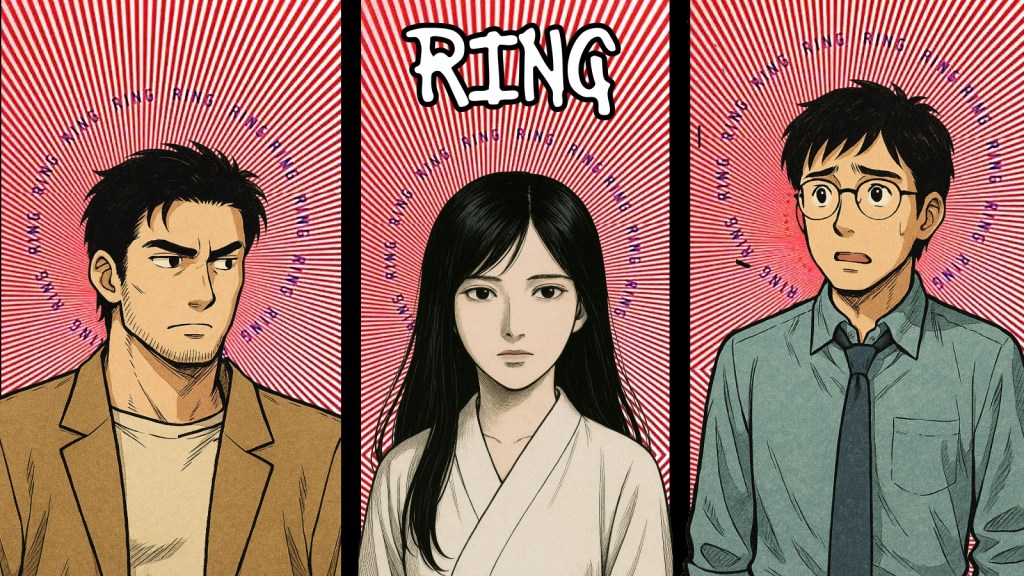
A Look at Koji Suzuki’s 1989 Novel Ring and Its Divergence from the Films Today, I want to discuss Koji Suzuki’s 1989 novel Ring, the chilling source material for the iconic media franchise that spawned several films, television series, and even a remake in Hollywood. While the various adaptations have veered into supernatural horror, the…
-
Introduction Confucianism, as a philosophical and socio-political system, has deeply influenced the development of East Asian societies for over two millennia. While it has been praised for promoting social harmony and moral ethics, its long-standing impact has also contributed to the entrenchment of patriarchal, hierarchical, and authoritarian systems. As a feminist and leftist, I argue…
-

Ju-On: The Grudge (2002) marks the third installment in the Ju-On series, but it’s the first to receive a wide theatrical release, both in Japan and internationally. It follows two earlier made-for-TV films, Ju-On: The Curse and Ju-On: The Curse 2 (both released in 2000), and continues their terrifying legacy. Written and directed by Takashi…
-
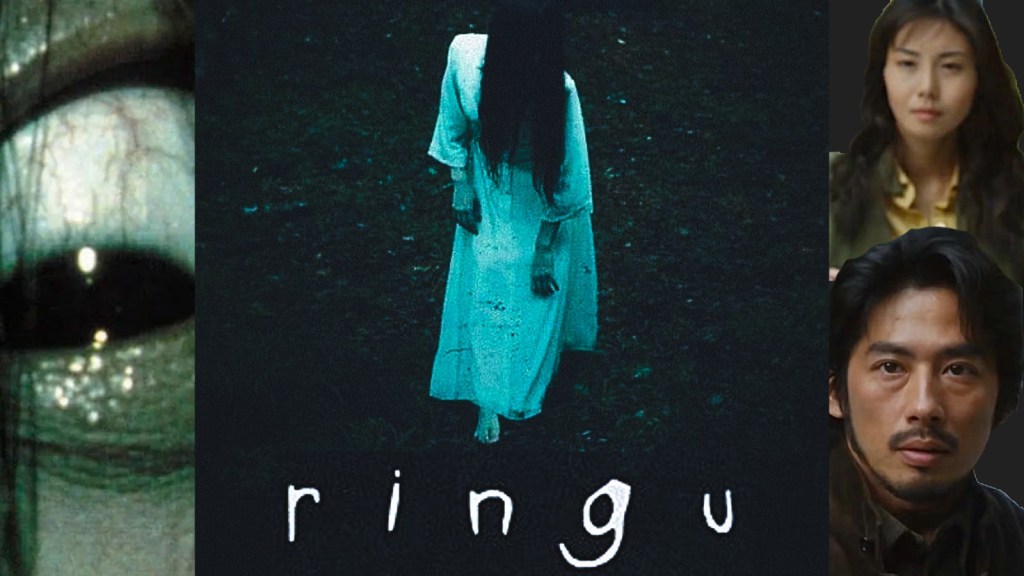
Ringu, the movie that started it all; the urtext, if you will, of J-Horror. Based on the Koji Suzuki novel of the same name, Hideo Nakata’s 1998 masterpiece didn’t just redefine horror for a generation: it created a new cinematic language of dread. Eschewing gore and cheap jump scares, Ringu roots its terror in the…
-
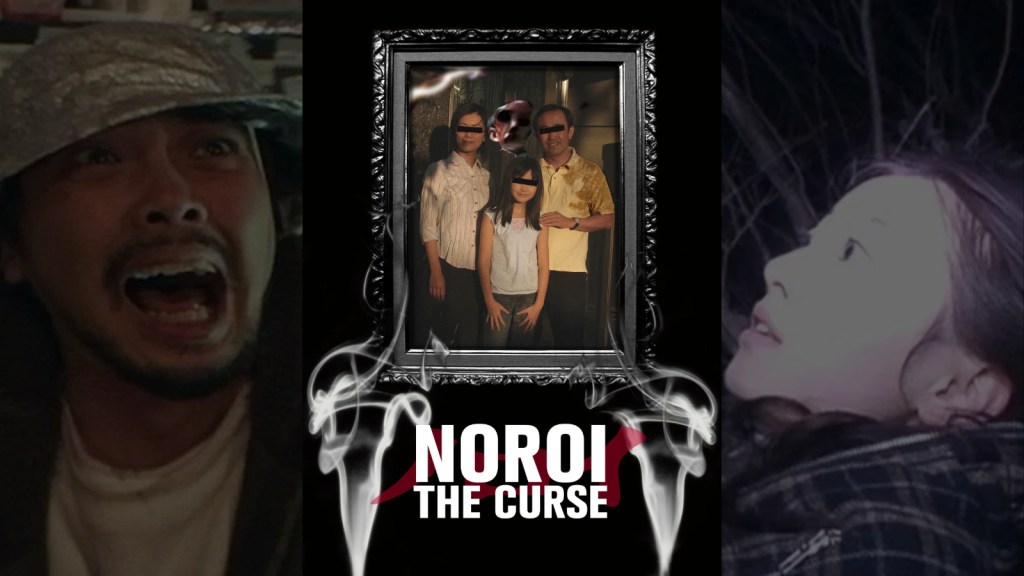
Noroi: The Curse is a 2005 Japanese found-footage, folk-horror film that quietly became one of the most influential (and unnerving) entries in J-horror. While it shares the urban legends, spirits, and media technology tropes of Ringu or Ju-On, Noroi leans even harder into documentary realism and rural folklore. The result is a slow-burn, mosaic nightmare;…
-

Masato Harada’s Inugami stands apart from its flashier J-horror contemporaries like Ringu or Ju-On: The Grudge. While those films deliver quick, iconic scares and urban legends, Inugami unfolds as a slow-burning, rural folk horror, rooted deeply in Japanese tradition and the lives of a marginalized community. The result is a fascinating exploration of how horror…
 J-Horror Blog