Folk Horror
-
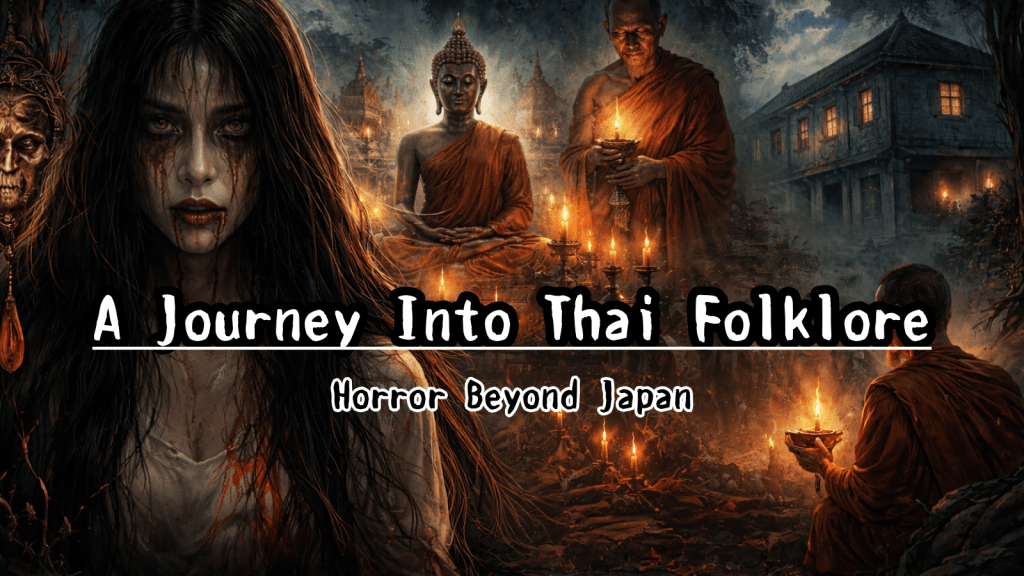
~ PART I ~ Karma, Impermanence, and the Shape of Suffering Thai folk horror does not begin with ghosts, curses, or transgression. It begins with order; not the reassuring order of safety or justice, but a deeper and far less comforting structure in which nothing is wasted, nothing disappears, and nothing escapes consequence. In this…
-
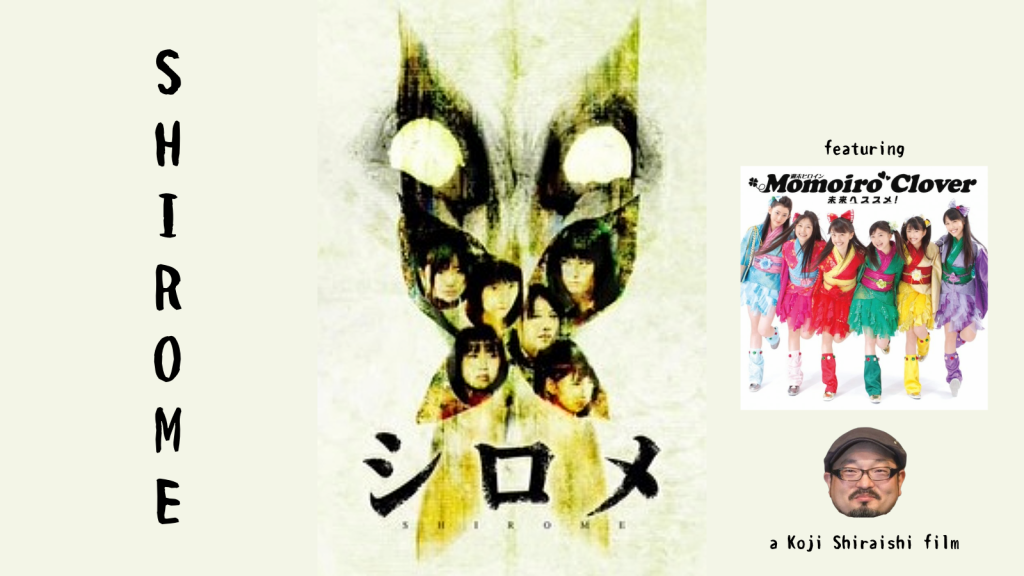
Introduction At first glance, Koji Shiraishi’s Shirome (2010) looks like a joke. It opens not with dread or blood or ghostly imagery, but with rehearsal footage of a real-life J-pop idol group (Momoiro Clover Z) practicing choreography, laughing with one another, and nervously talking about their dreams of one day performing on Kōhaku Uta Gassen,…
-
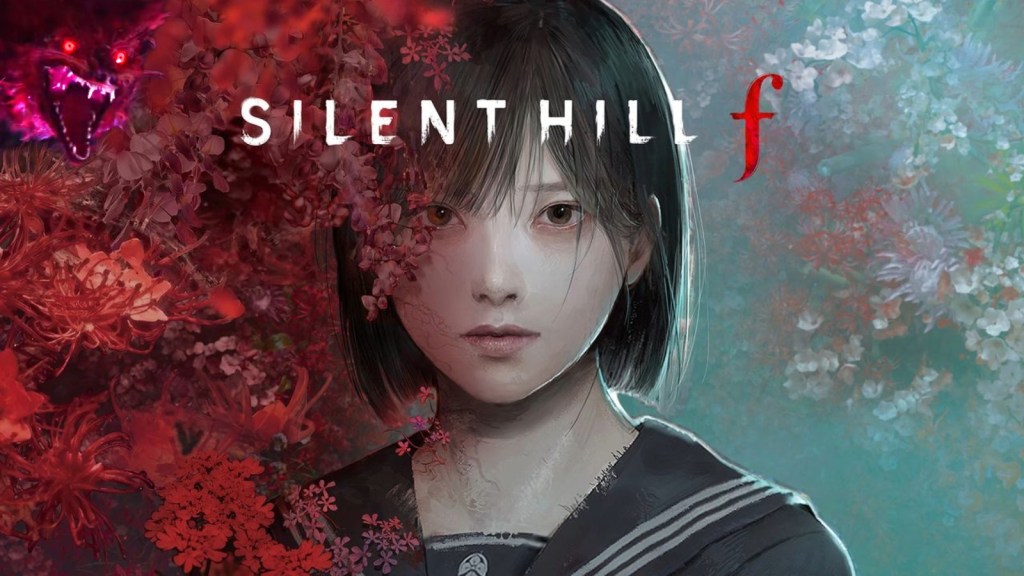
Trigger Warning: graphic violence & gore; self-harm & suicide themes; drug use & addiction; mental health crisis; domestic & emotional abuse; death of minors; religious/occult imagery; sexual violence; sexism & patriarchal control; spoilers. When Silent Hill ƒ was first announced, many fans expected the familiar fog-shrouded streets of the series’ namesake town. Instead, we were…
-
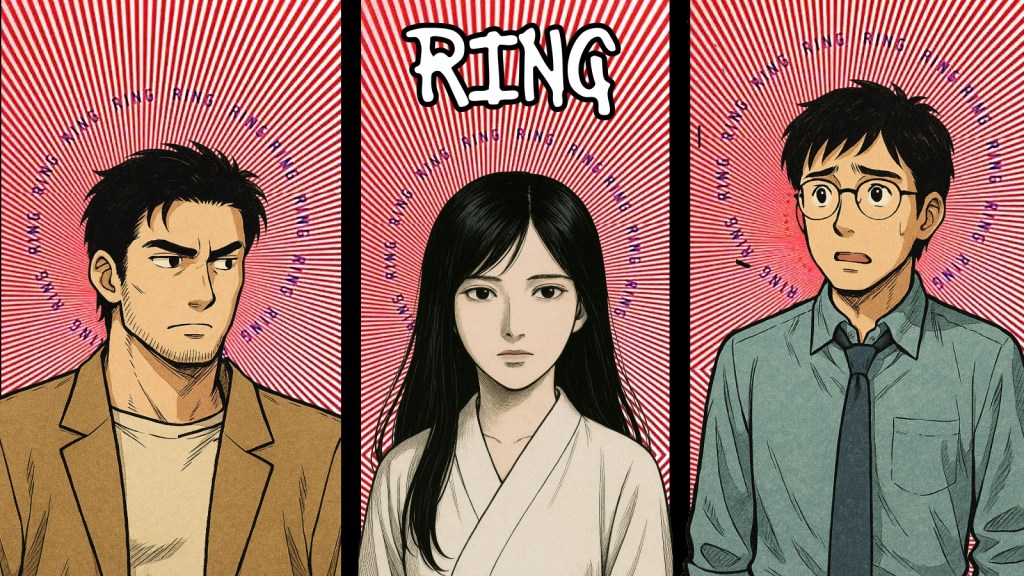
A Look at Koji Suzuki’s 1989 Novel Ring and Its Divergence from the Films Today, I want to discuss Koji Suzuki’s 1989 novel Ring, the chilling source material for the iconic media franchise that spawned several films, television series, and even a remake in Hollywood. While the various adaptations have veered into supernatural horror, the…
-

Ju-On: The Grudge (2002) marks the third installment in the Ju-On series, but it’s the first to receive a wide theatrical release, both in Japan and internationally. It follows two earlier made-for-TV films, Ju-On: The Curse and Ju-On: The Curse 2 (both released in 2000), and continues their terrifying legacy. Written and directed by Takashi…
-
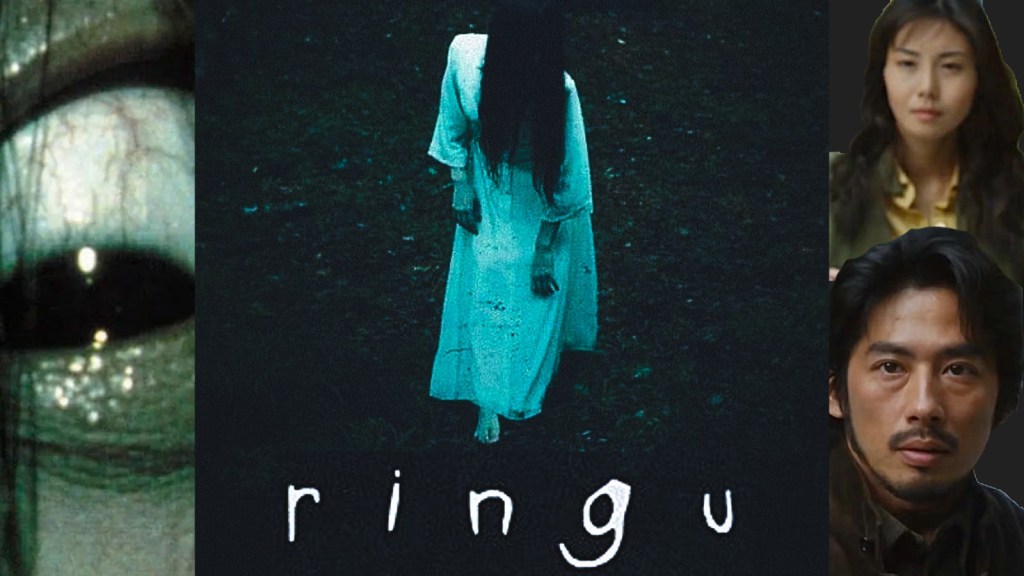
Ringu, the movie that started it all; the urtext, if you will, of J-Horror. Based on the Koji Suzuki novel of the same name, Hideo Nakata’s 1998 masterpiece didn’t just redefine horror for a generation: it created a new cinematic language of dread. Eschewing gore and cheap jump scares, Ringu roots its terror in the…
-
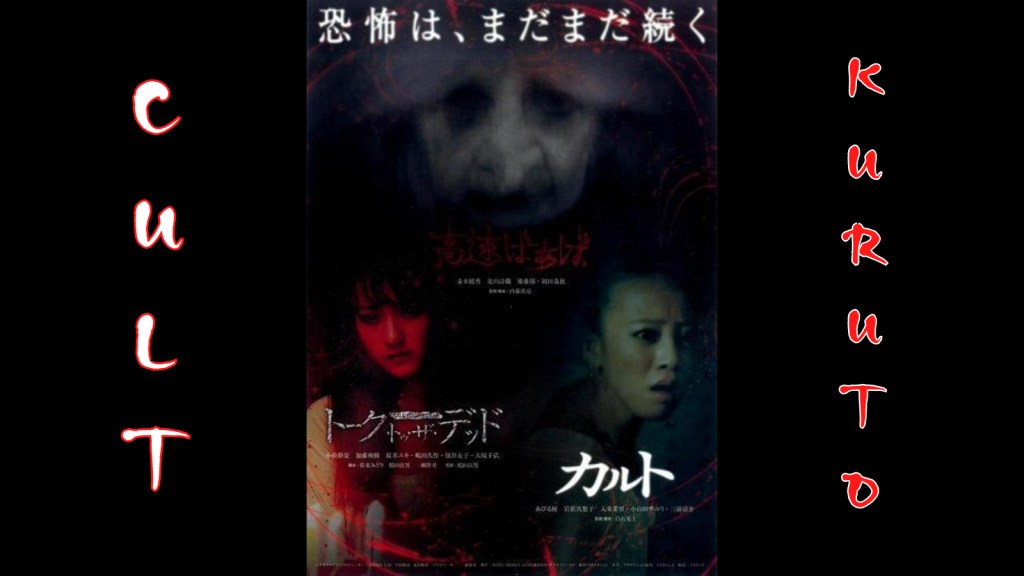
Koji Shiraishi’s Cult is a meta-found-footage fever dream that gleefully deconstructs both the conventions of Japanese horror and the spectacle-hungry media culture that surrounds it. Framed as a reality-TV ghost investigation, the film lures the viewer in with familiar tropes (cursed families, psychic exorcists, vengeful spirits) only to turn them inside out with bursts of…
-
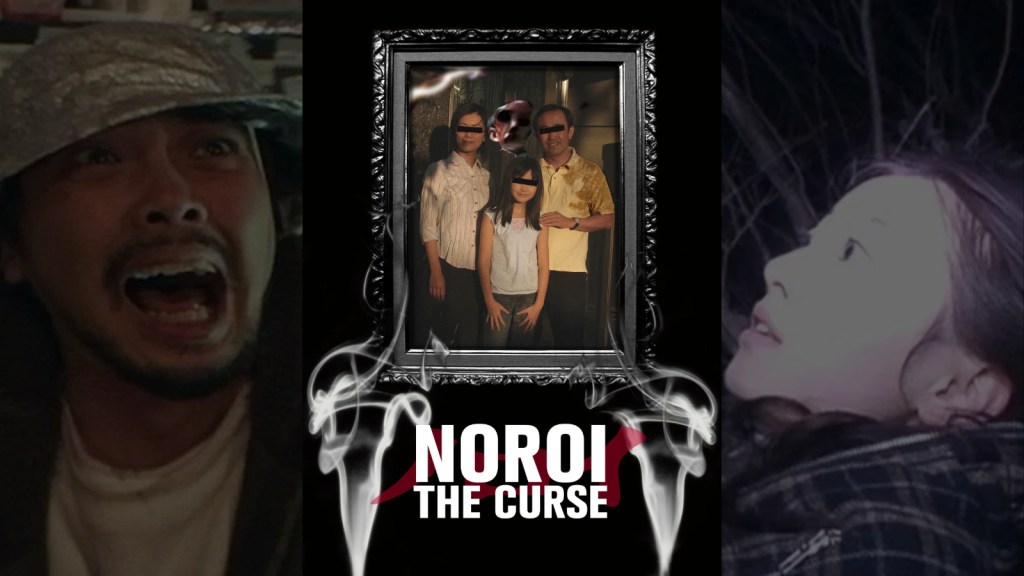
Noroi: The Curse is a 2005 Japanese found-footage, folk-horror film that quietly became one of the most influential (and unnerving) entries in J-horror. While it shares the urban legends, spirits, and media technology tropes of Ringu or Ju-On, Noroi leans even harder into documentary realism and rural folklore. The result is a slow-burn, mosaic nightmare;…
-

Masato Harada’s Inugami stands apart from its flashier J-horror contemporaries like Ringu or Ju-On: The Grudge. While those films deliver quick, iconic scares and urban legends, Inugami unfolds as a slow-burning, rural folk horror, rooted deeply in Japanese tradition and the lives of a marginalized community. The result is a fascinating exploration of how horror…
 J-Horror Blog